Our EYFS Intent
At Callowell, our intent is to provide a nurturing and inspiring early years environment where children can thrive. We recognise that the Early Years Foundation Stage (EYFS) is important for building the strong foundations that children need to access the curriculum and to provide them with the knowledge they need to make progress.
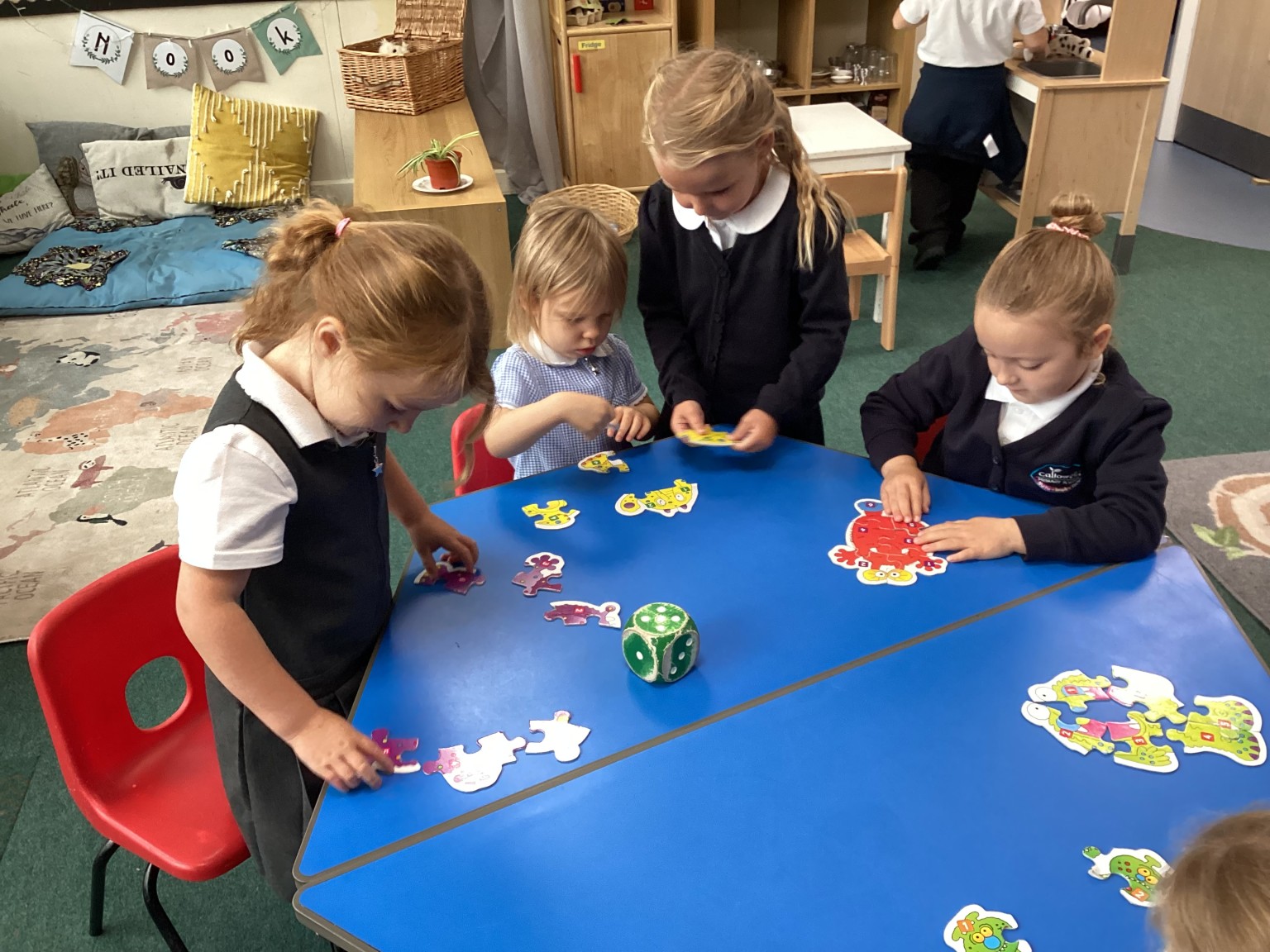
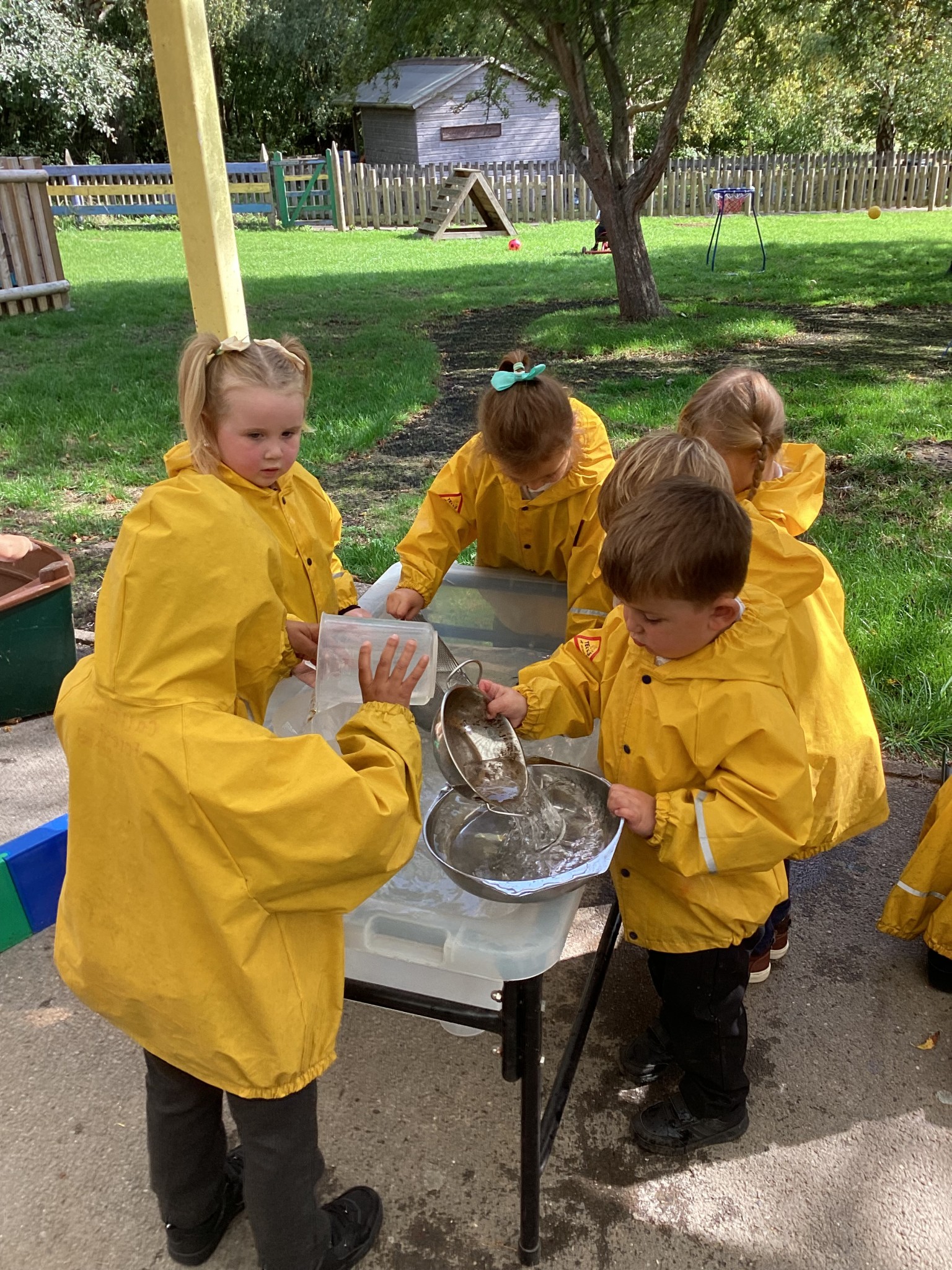
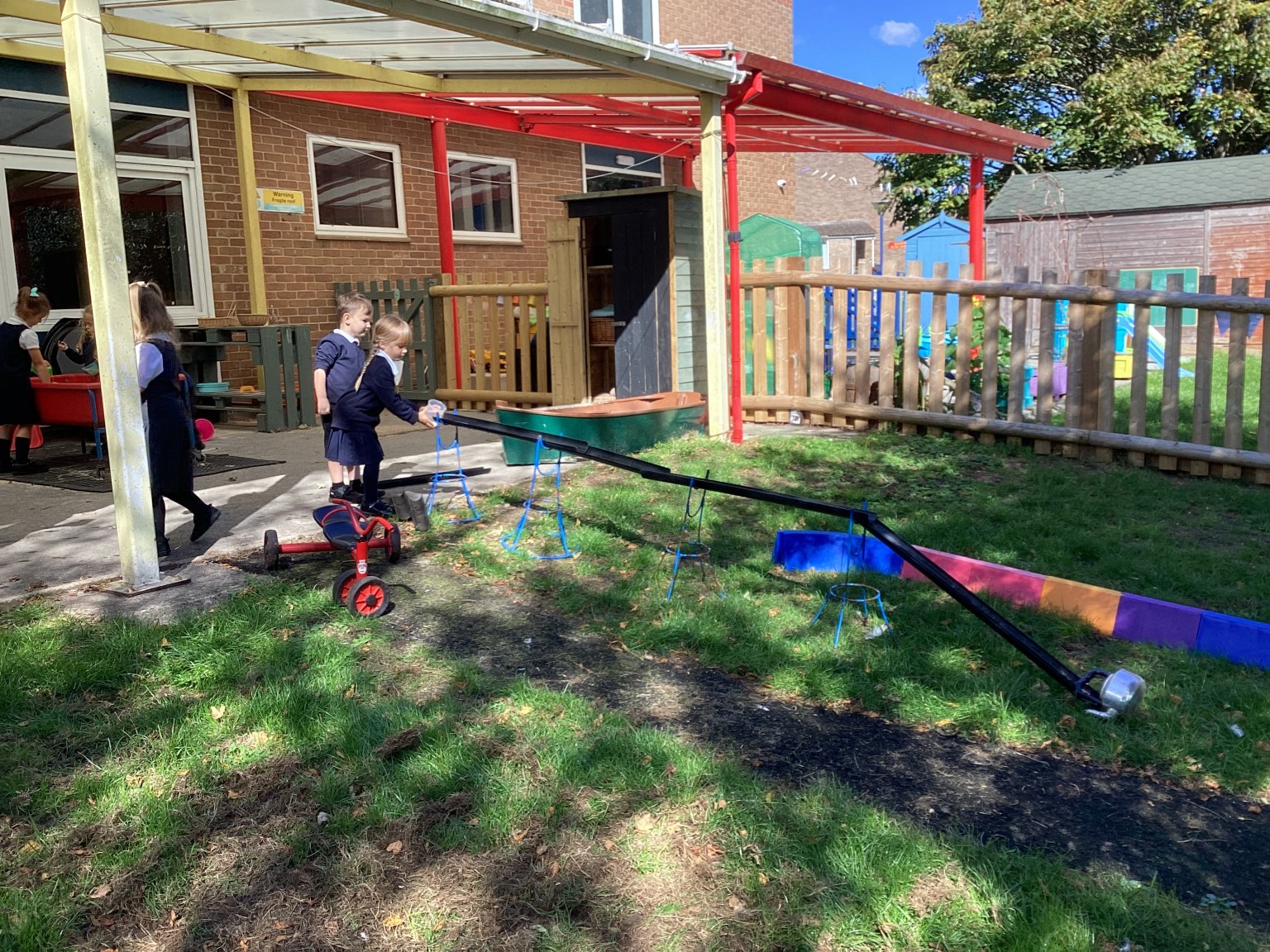
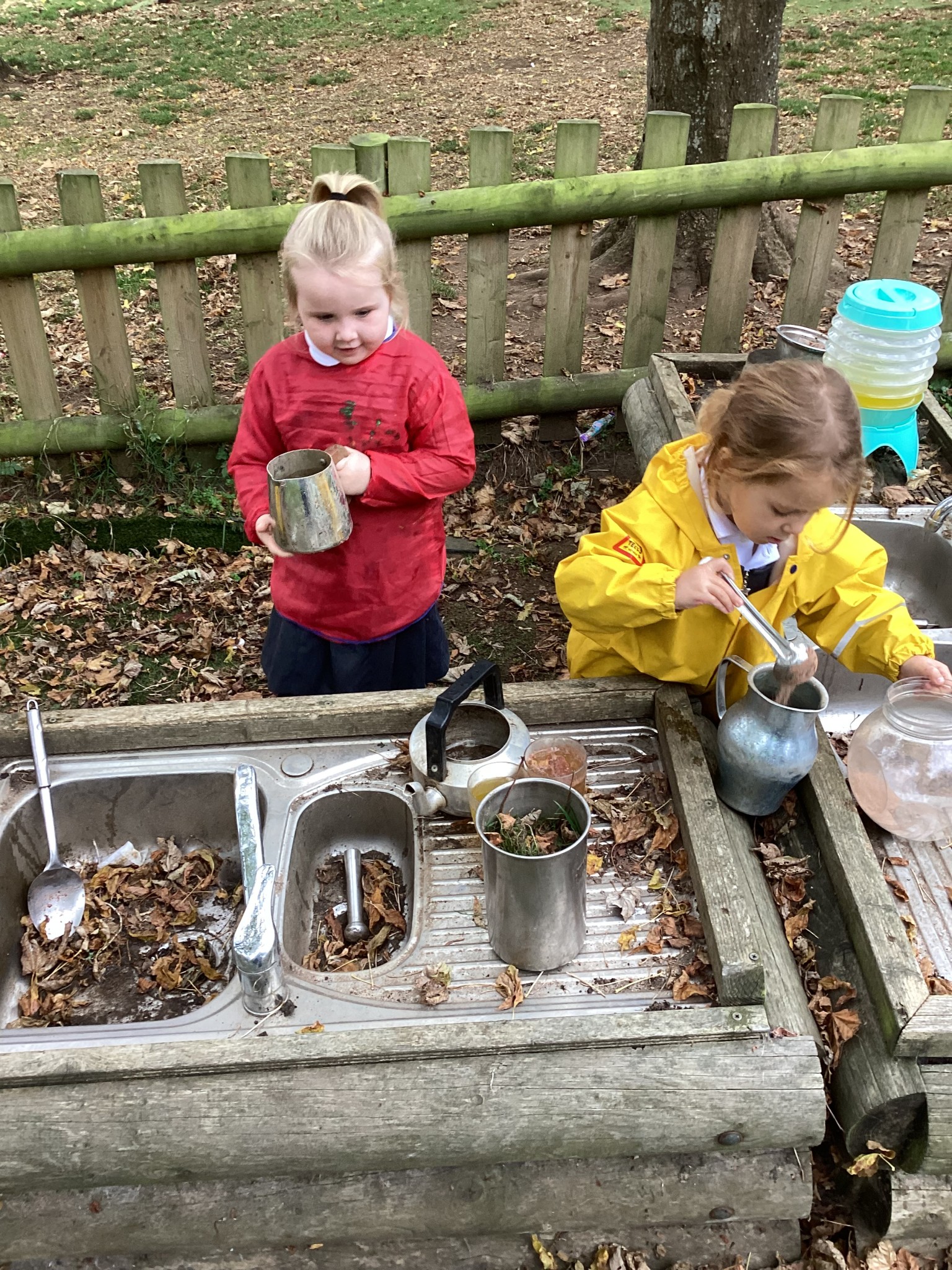
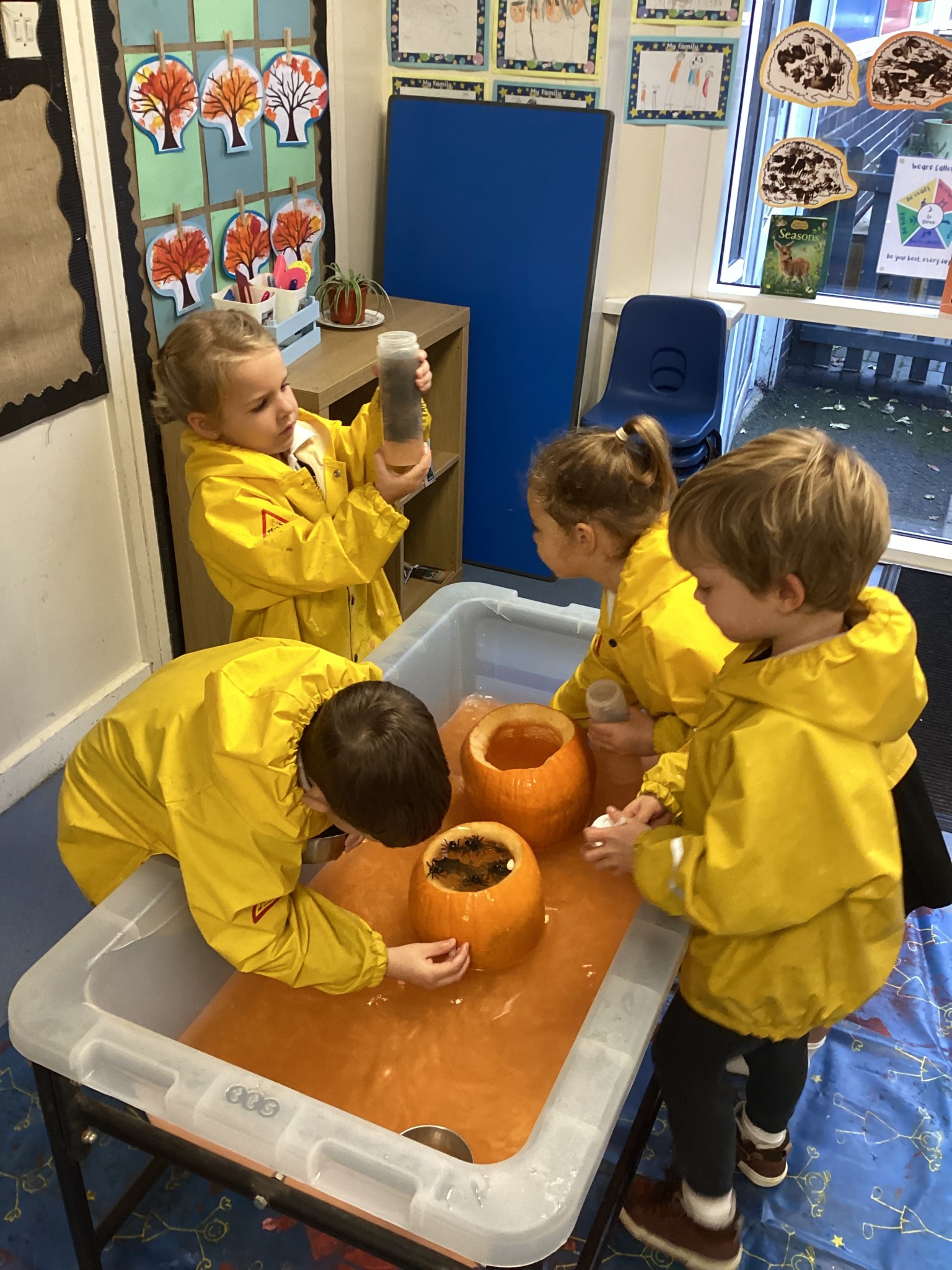
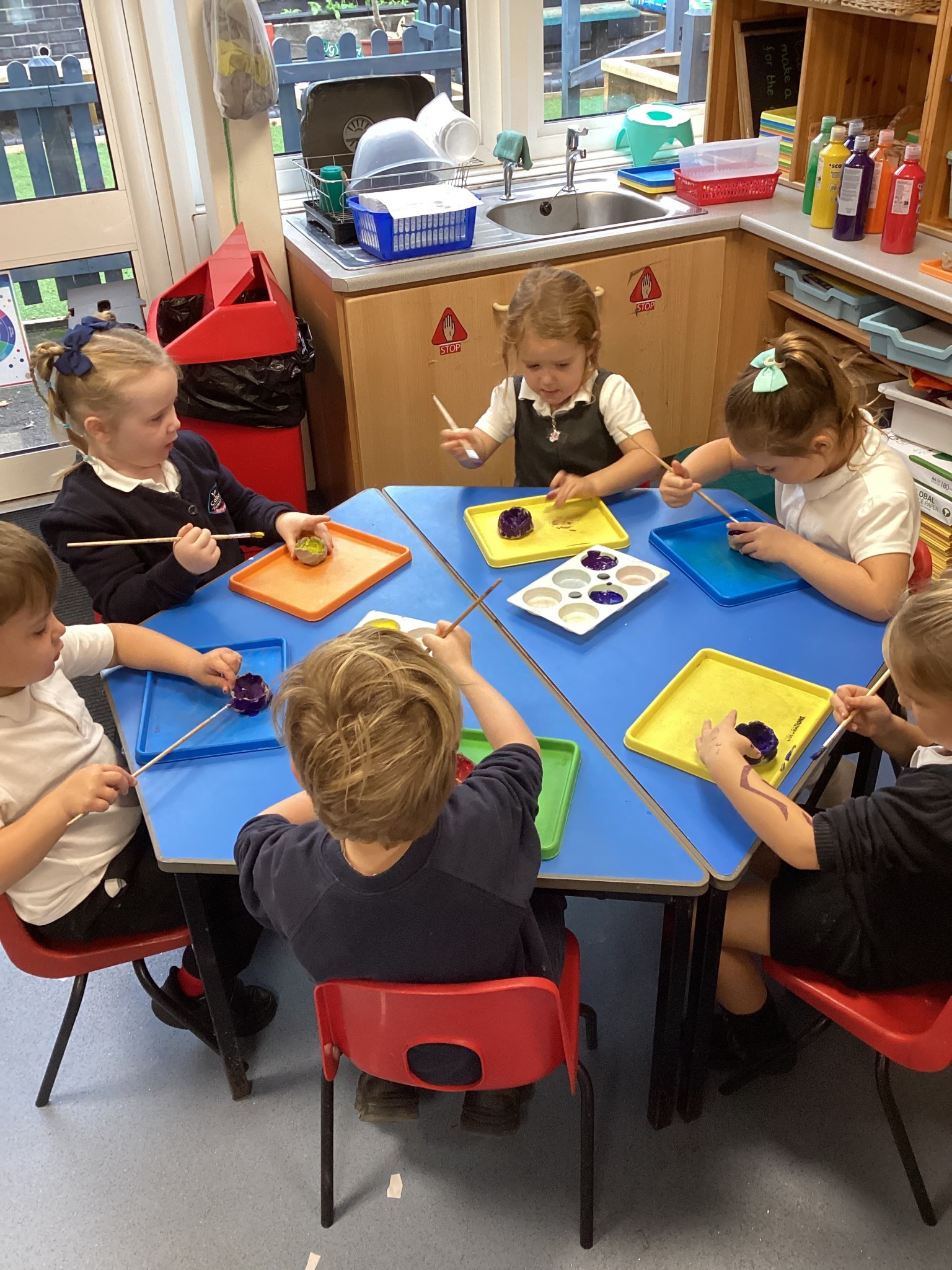
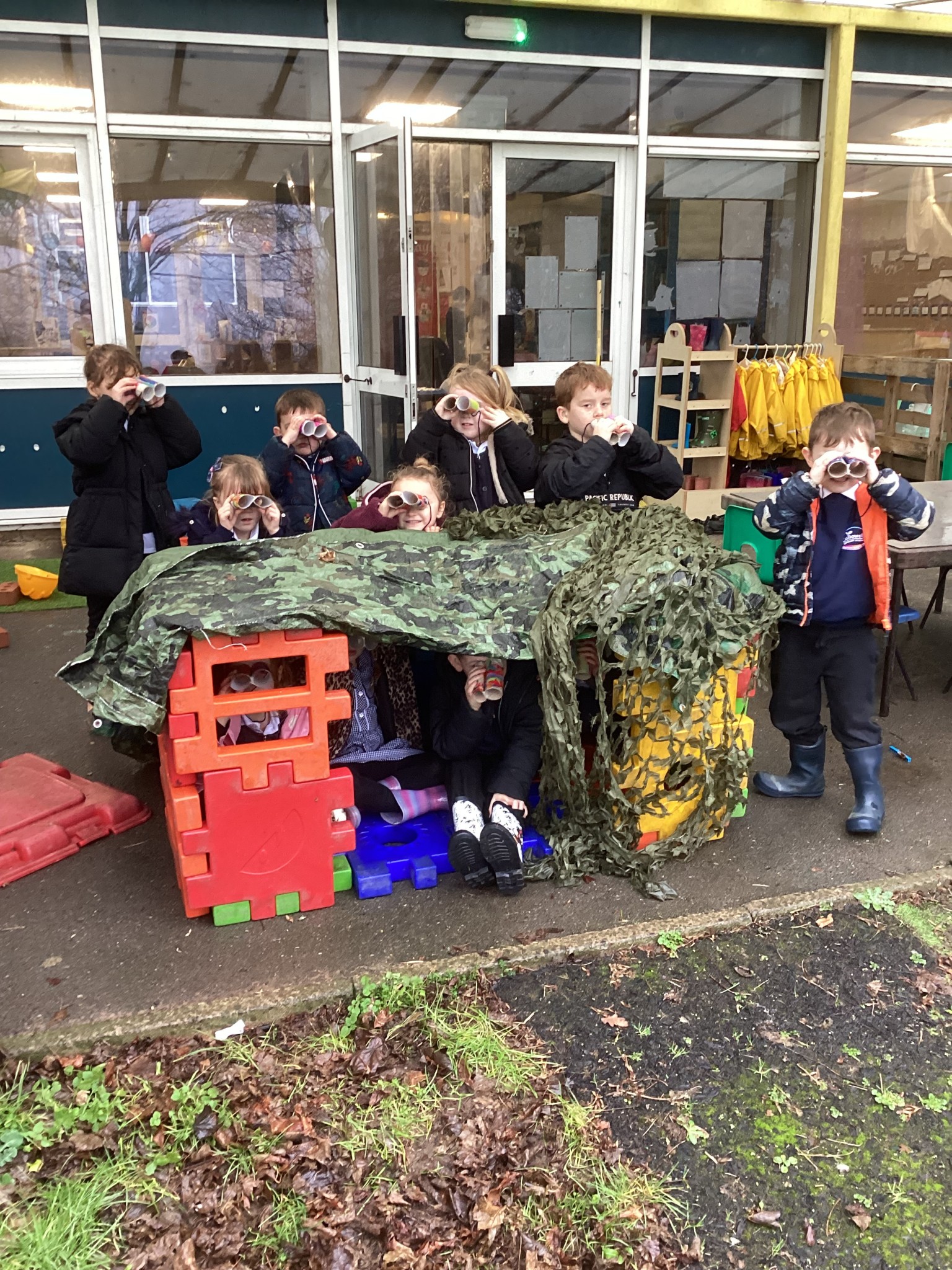
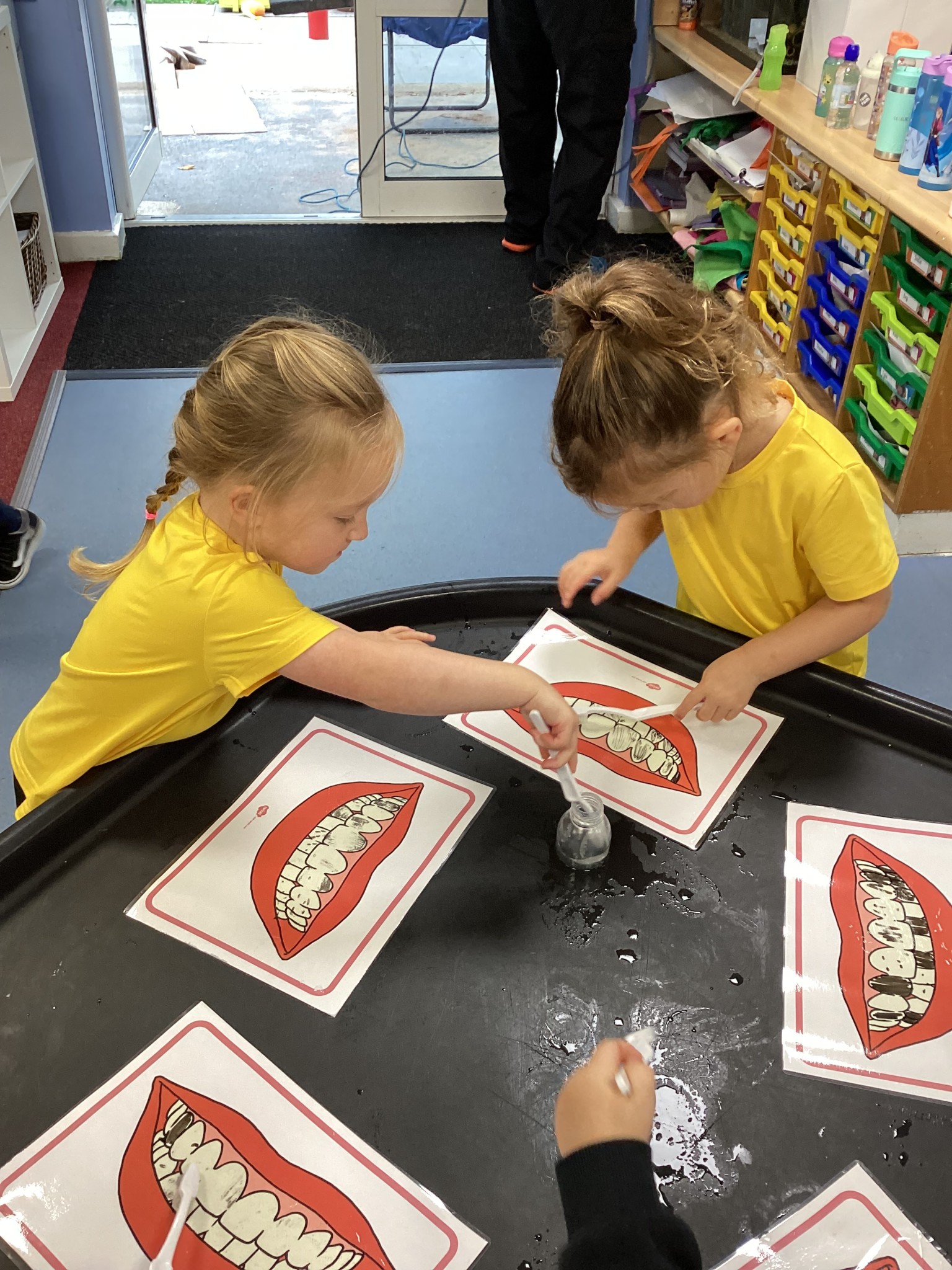
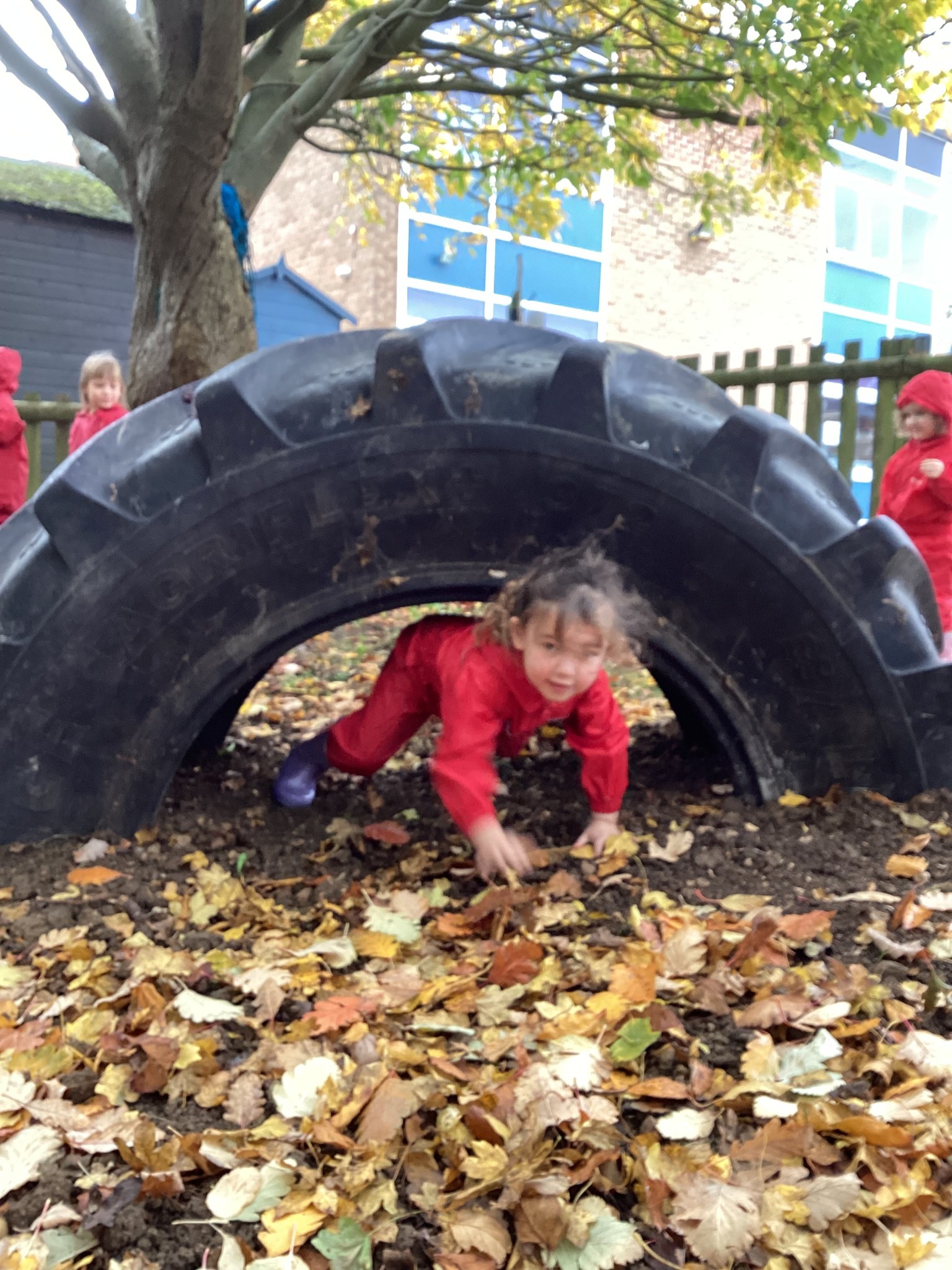
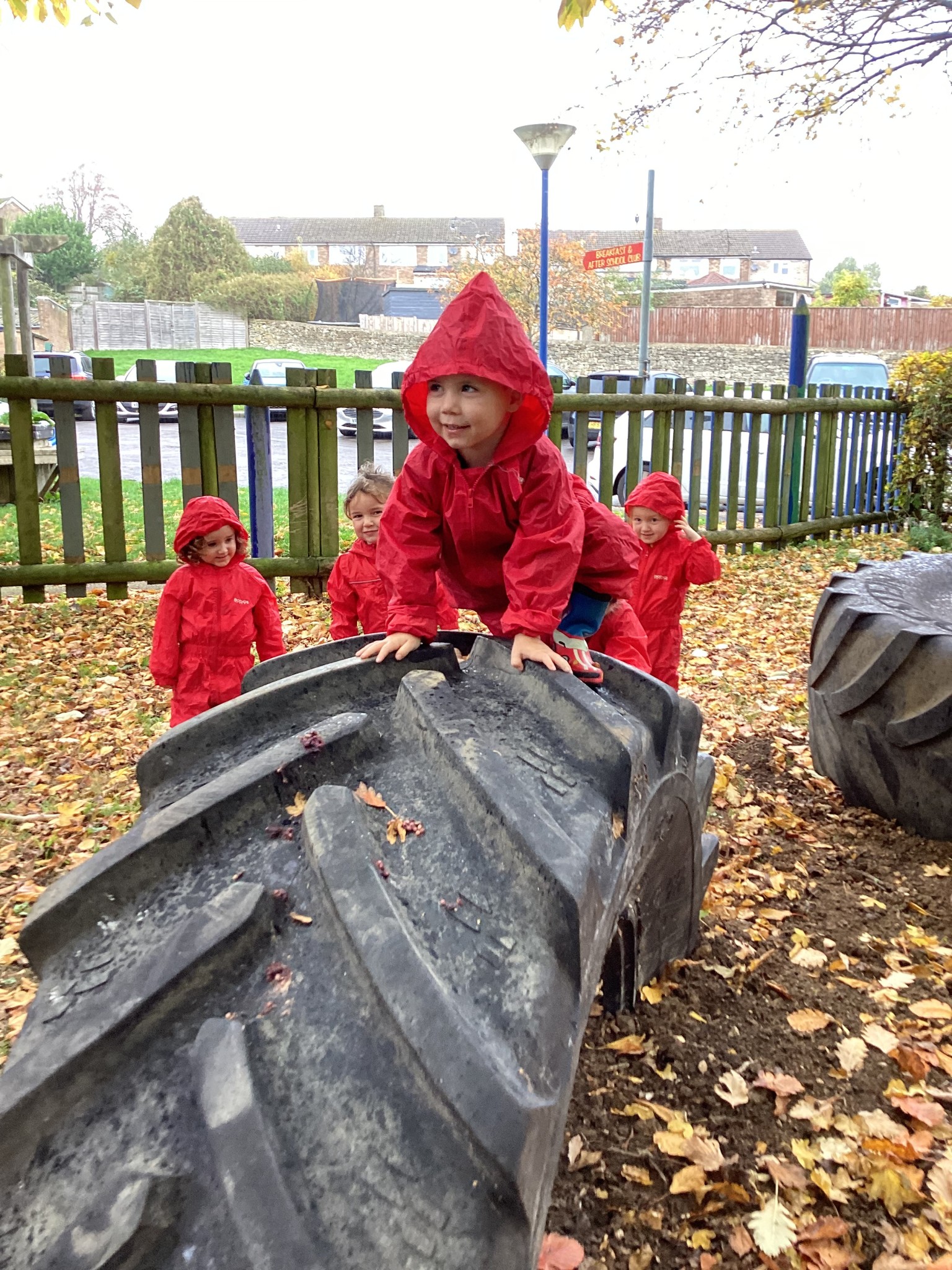
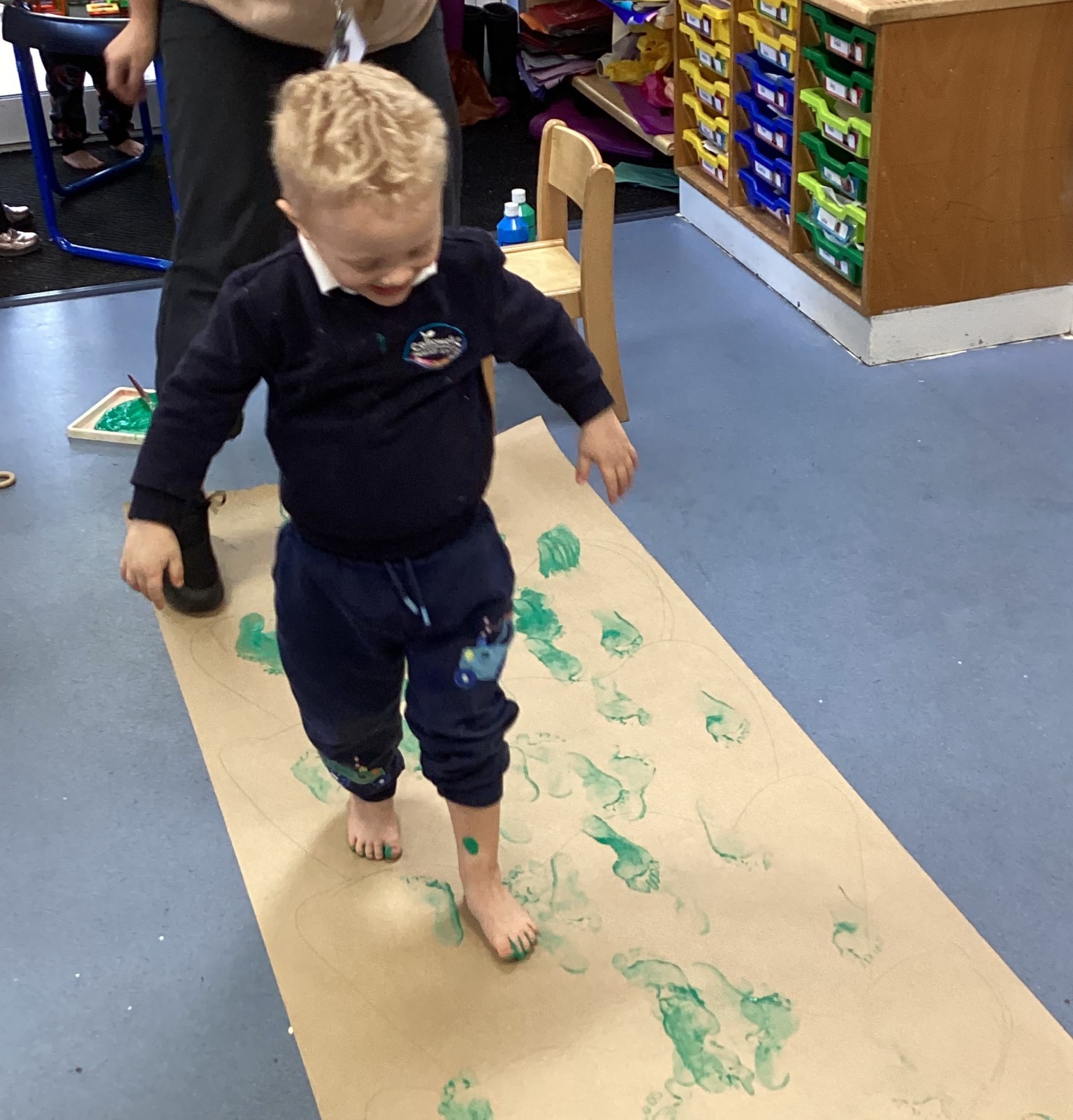
Our curriculum is designed to enable children to become confident, curious and independent learners through a balance of child-led and adult-led experiences that offer hands-on exploration through purposeful play.
We prioritise children’s personal, social and emotional development by building strong, positive relationships with the children in our care and supporting them to become resilient individuals. We also value the importance of building strong parental relationships to ensure we are working in partnership with families.
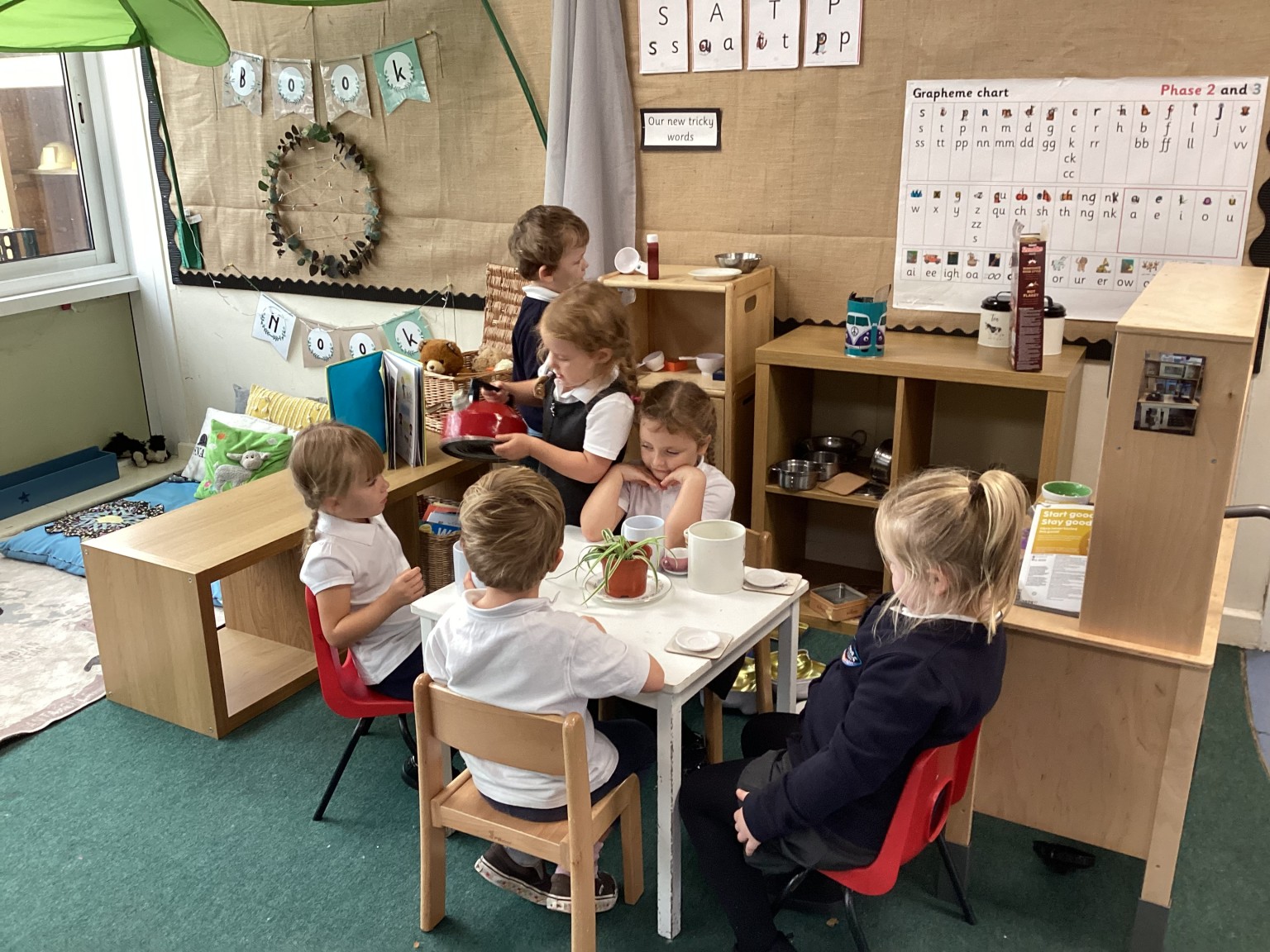
To develop children’s communication and language skills in the Early Years we have created language-rich learning environments that promote high-quality interactions, active listening, and a love of stories and vocabulary. This links to our whole school oracy initiative.
To ensure our provision is inclusive we have developed our Early Identification practices to identify needs and implement support so that all children make positive progress from their starting points.
Our EYFS intent is underpinned by our whole school 5 to Thrive initiative which encourages and supports all children to be: ready, kind, respectful, curious and resilient. These threads are woven into our daily routines and often form the foundations for our positive reinforcement.
Our EYFS Implementation
At Callowell our Early Years provision includes Jumping Beans (pre-school) and Reception. Most of our approaches run across our EYFS provision, however some of our specific teaching and learning programmes are used solely in Reception.
Across the Early Years
Our approach is rooted in the EYFS Framework and promotes the three characteristics of effective teaching and learning: playing and exploring, active learning and creating and thinking critically. Our curriculum is mapped out with focus areas that are kept broad to allow opportunities to follow the children’s interests, while also promoting progress across all seven areas of learning and development. Our environments support exploration, curiosity, problem solving and independence.
As part of our language development in the Early Years we have implemented ‘Sustained Shared Thinking’. This enables high-quality interactions where children and staff engage in active listening, open-ended questioning and extended learning.
We follow the Little Wandle Letters and Sounds programme. This process begins in Jumping Beans, where children have planned opportunities to connect with stories, nursery rhymes and songs. From Autumn Term 2, we teach phonemic awareness and hearing the initial sounds. In Reception, children are taught to read and spell words using Phase 2 and 3 GPCs, and words with adjacent consonants (Phase 4) with fluency and accuracy. For any children identified with a specific SEN need who are unable to access the core phonics programme, we use the Little Wandle SEND programme.
In Reception
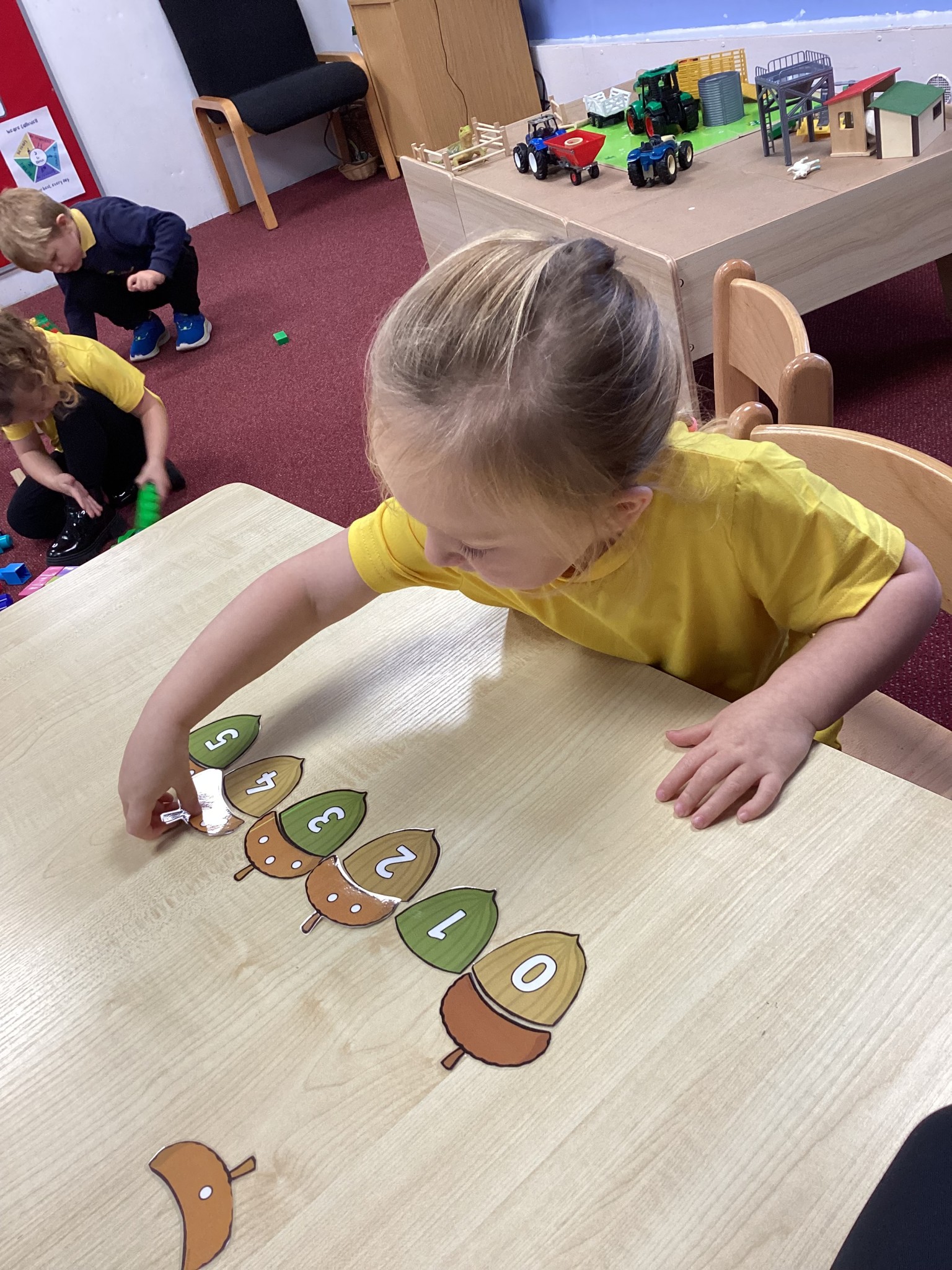
We use Mastering Number from the NCETM to support the development of key knowledge and understanding, and to build good number sense. Alongside this we use the Can Do Maths EYFS programme, this is a mastery-based approach, that provides small steps for learning with a structured progression.
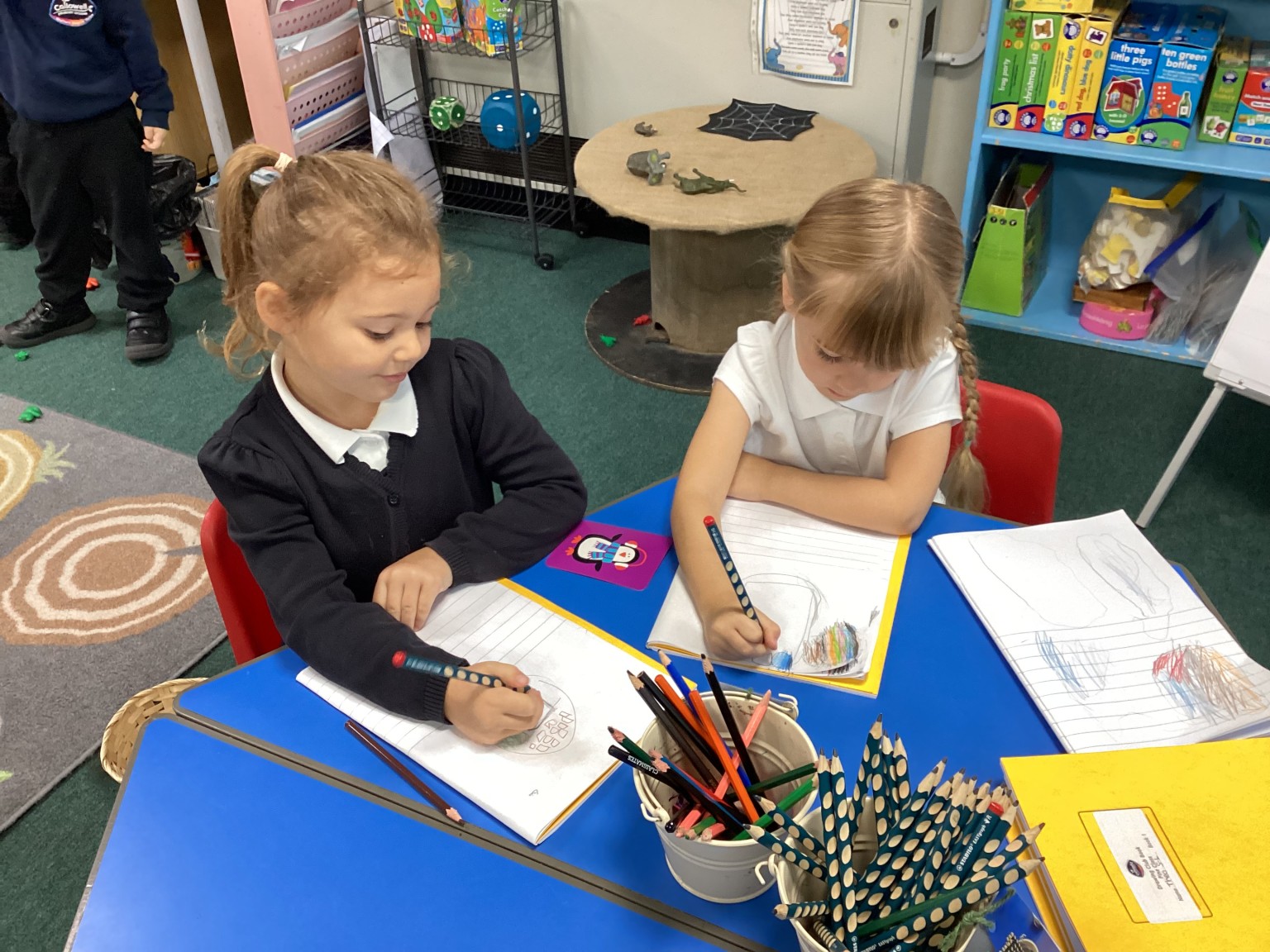
We use Drawing Club developed by Greg Bottrill as our approach to early literacy development. It spark’s children’s imagination, strengthens early writing behaviours and builds a love of language and storytelling. We have tailored the programme to ensure progression in writing outcomes across the year.
To further support children’s personal, social and emotional development, we follow the Jigsaw PSHE programme. The sessions are designed to support children’s emotional literacy, social skills, mental health, and overall wellbeing.
Assessment
Across the EYFS, formative assessment is continual, meaningful and used to inform planning. Children are observed in play and daily routines, interests and next steps are identified, and learning is extended where appropriate. This type of assessment supports staff in tailoring provision to ensure every child makes good progress.
In line with the rest of the school, children in Reception are assessed at the start of the year to provide a baseline, and then at the end of the Autumn, Spring and Summer terms. We use Evidence Me to complete these assessments against the Development Matters objectives (non-statutory) and the Early Years Framework Early Learning Goals (statutory).
We also complete three statutory assessments throughout the EYFS:
- The Progress Check at Age Two – this is completed when a child is between 24-36 months, it provides a written summary for parents covering their child’s development across the three prime areas of learning.
- The Reception Baseline Assessment (RBA) – This is administered within the first six weeks of starting Reception and provides a starting point for measuring school-level progress from Reception to the end of Key Stage 2.
- The Early Years Foundation Stage Profile (EYFSP) – This is completed in the final term of Reception. Teachers assess against the 17 Early Learning Goals (ELGs) and this informs the transition into Year One.
We also complete a non-statutory transition document for each individual child to support their transition from pre-school to Reception. This is accompanied with a professional discussion between staff.
As part of our initiative towards Early Identification in the Early Years and with our school drive towards improved oracy we use the Early Screening and Intervention (EASI) Pack to carry out speech and language checklists for every child in the EYFS. These review children’s receptive language, expressive language and language in social contexts. They help to identify children with speech and language needs and speech and language trends across a cohort. We complete these initially in September and then review and update them throughout the year.
Staff across the EYFS are available for informal discussions with parents daily during drop off and pick up times. Jumping Beans hold parent meetings twice a year where progress can be discussed and any concerns raised. Reception also hold two parents evenings per year and teachers complete an end of year written report which is also shared with parents.
Our EYFS Impact
By the end of the EYFS, children at Callowell make good progress across all seven areas of learning. They develop positive attitudes towards learning and the confidence to communicate their ideas. Through a carefully planned curriculum and responsive interactions, children build secure foundations in early language, and personal, social and emotional development.
Our use of continuous provision, sustained shared thinking, and targeted interventions ensures that any gaps in understanding are addressed quickly. As a result, the majority of children achieve a Good Level of Development (GLD) by the end of Reception, and those who do not, make good progress from their starting points.
Children demonstrate increasing independence, resilience and self-regulation. They build early literacy and numeracy skills that prepare them successfully for the transition into Year One.
Overall, our EYFS provision is a cohort of confident, happy children who feel safe and are eager to learn.
For more information about Jumping Beans (pre-school) please visit: Callowell Primary School - Jumping Beans Pre-School
To see what Pine class (Reception) are learning at the moment please visit: Callowell Primary School - Pine Class: Reception